
Promoting maternal nutrition and food support at Roi Khaled Hospital
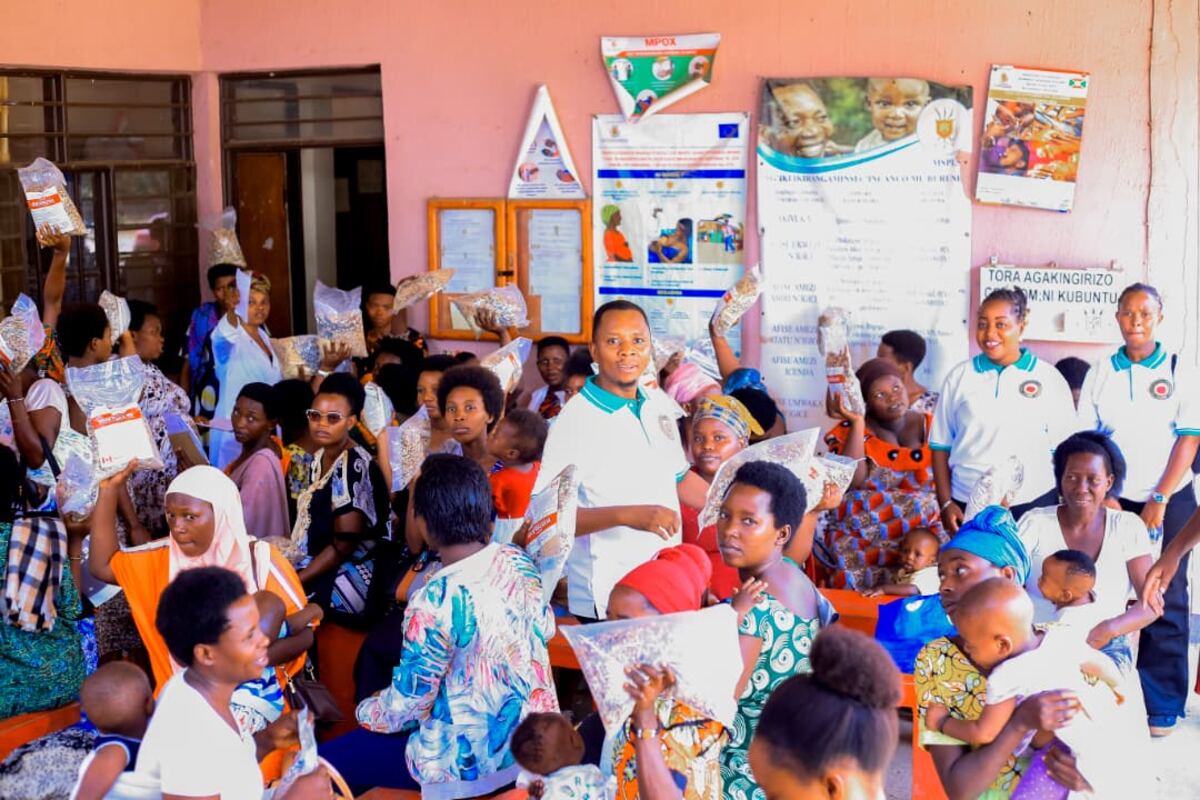
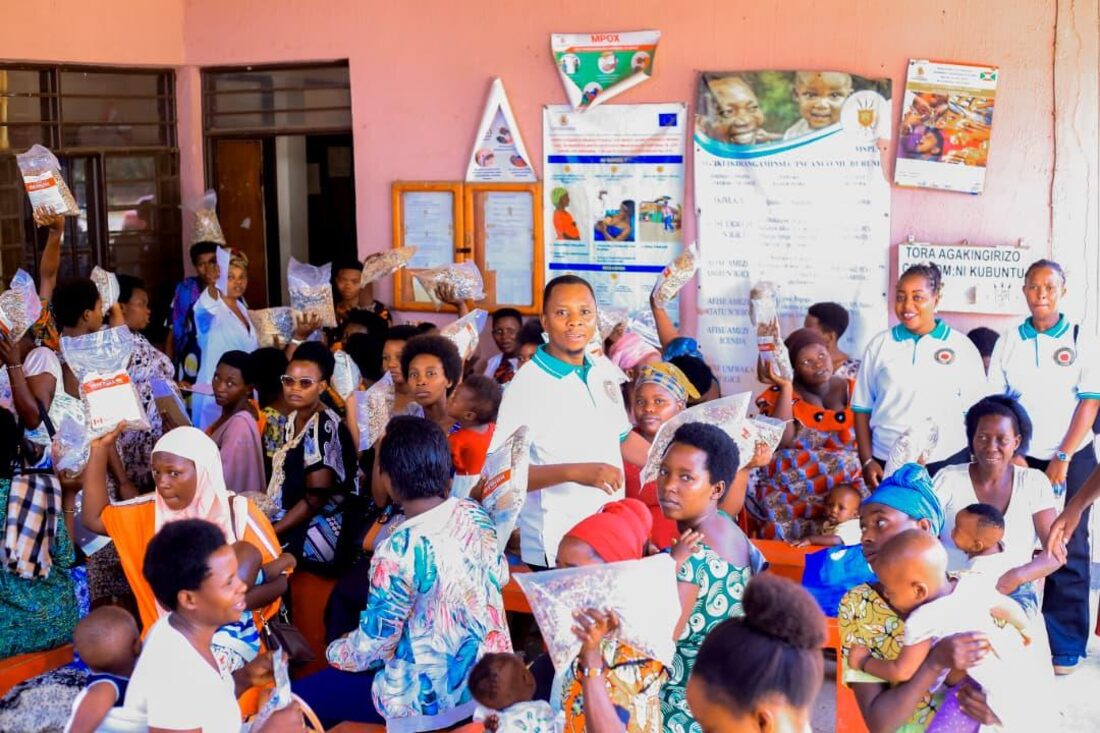
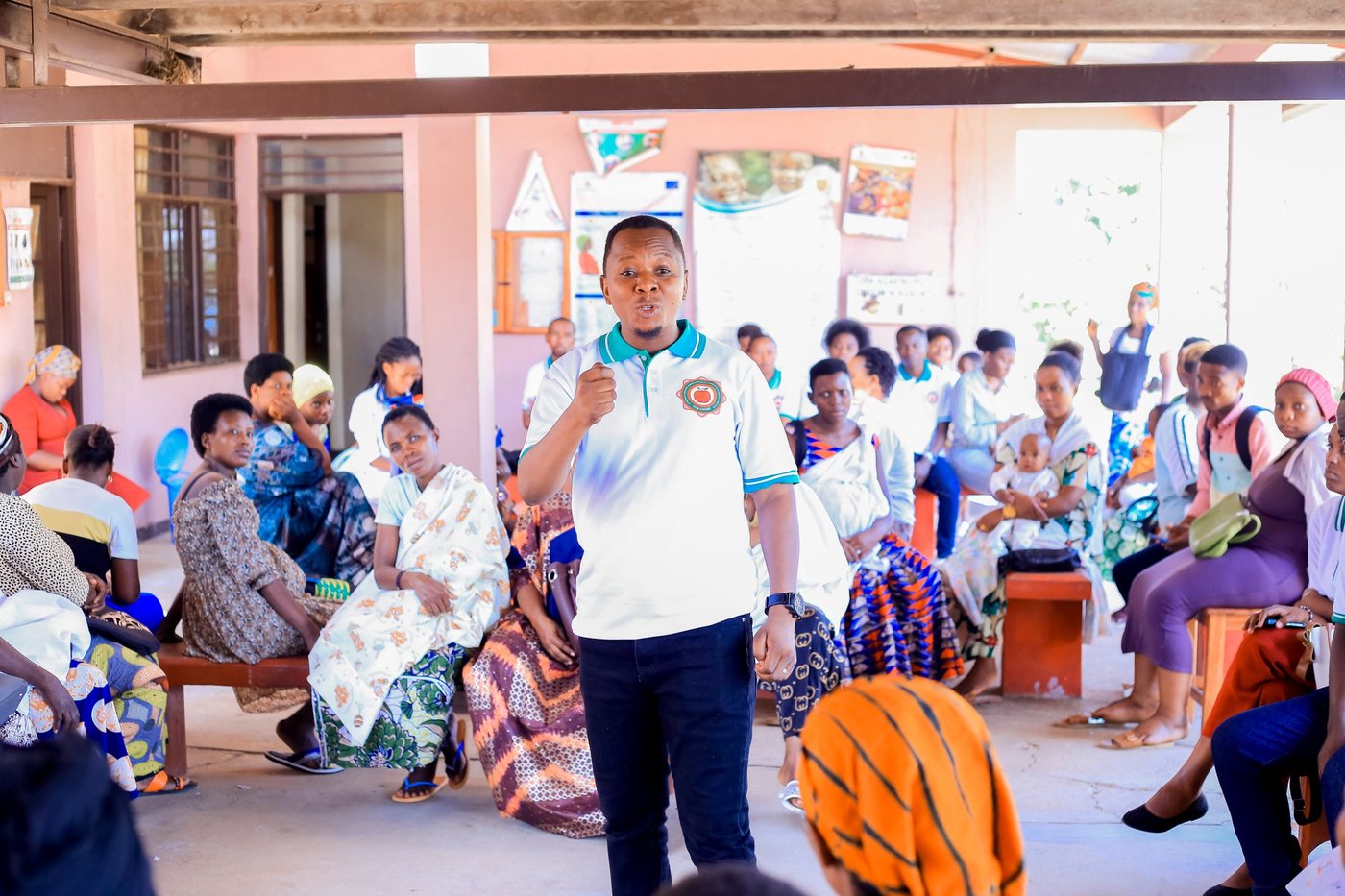
Overview of the session at CHUK Roi Khaled Hospital.
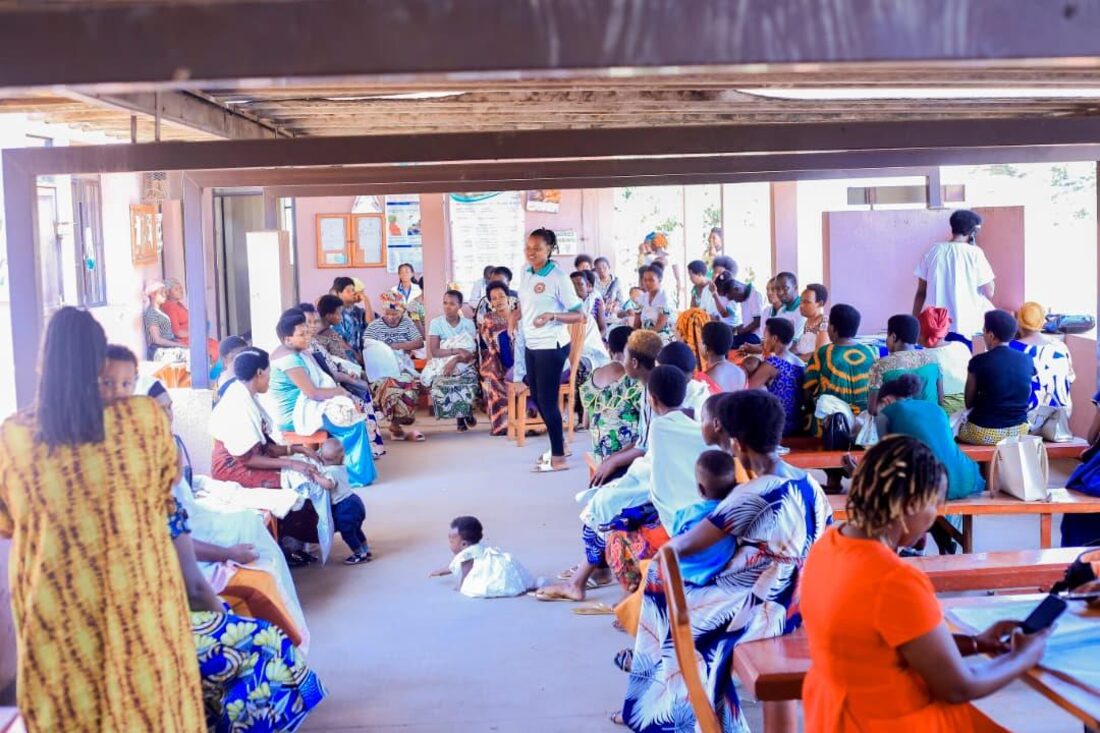
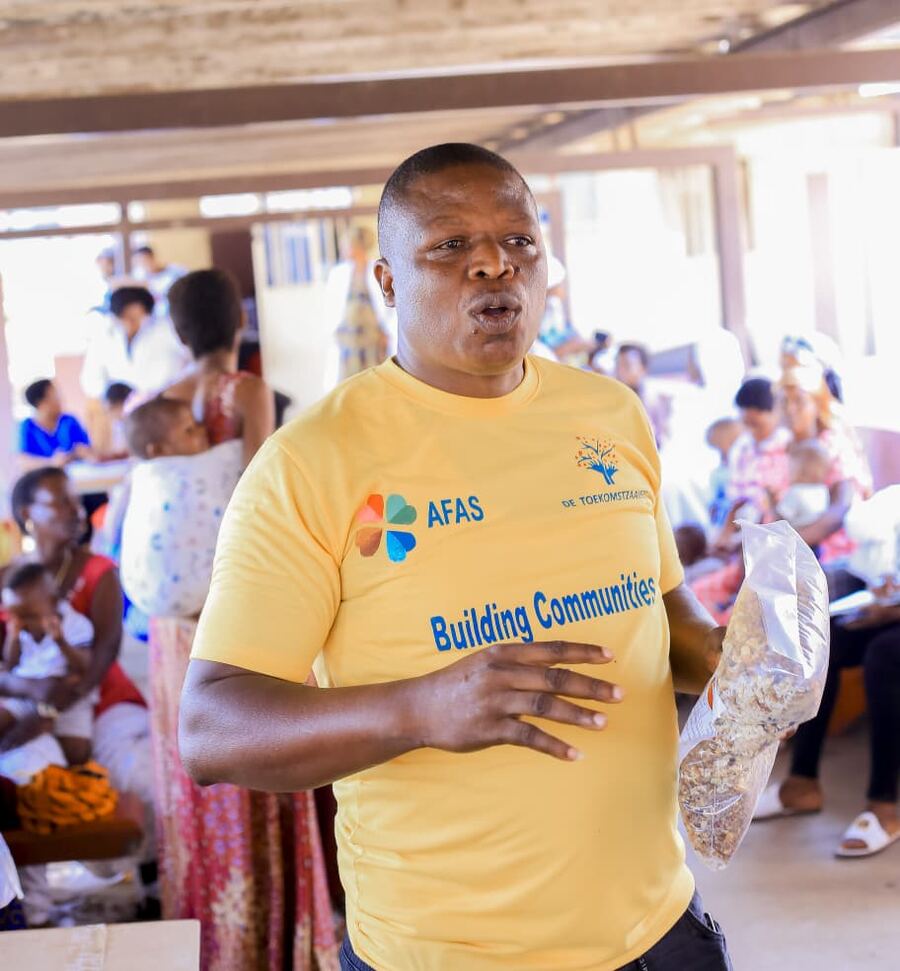
On 2 September 2026, NUSAMSBE organised a maternal nutrition promotion and food support activity at CHUK Roi Khaled Hospital in Bujumbura, for pregnant and breastfeeding women attending antenatal and postnatal consultations. This intervention falls under Axis 1 (Maternal and child nutrition) and Axis 3 (Community nutrition and nutrition education) of NUSAMSBE's Strategic Guidance Document.
The first thousand days of life, from conception to a child's second birthday, are the most decisive window for preventing malnutrition. The activity had two complementary parts: nutrition education, and a practical demonstration followed by the distribution of food support kits.
Target group
- Pregnant women attending antenatal consultations at King Khaled Hospital;
- Breastfeeding women at postnatal consultations or in paediatrics;
- Priority to vulnerable households, according to NUSAMSBE's community and socio-economic criteria and the principle of equitable targeting.
Objectives
- Identify and register eligible pregnant and breastfeeding women;
- Strengthen beneficiaries' knowledge of nutrition during pregnancy and breastfeeding, dietary diversity, micronutrients, food hygiene and breastfeeding;
- Demonstrate the correct use of the nutritional blend distributed;
- Distribute the product to selected beneficiaries with a clear accompanying message;
- Measure the change in knowledge immediately after the session and follow up on use of the product.
How it went
1. Reception and identification. Women were welcomed, directed to the area set aside for the activity, then registered (name, gestational age or age of the breastfed child, contact) and informed about how the activity would run.
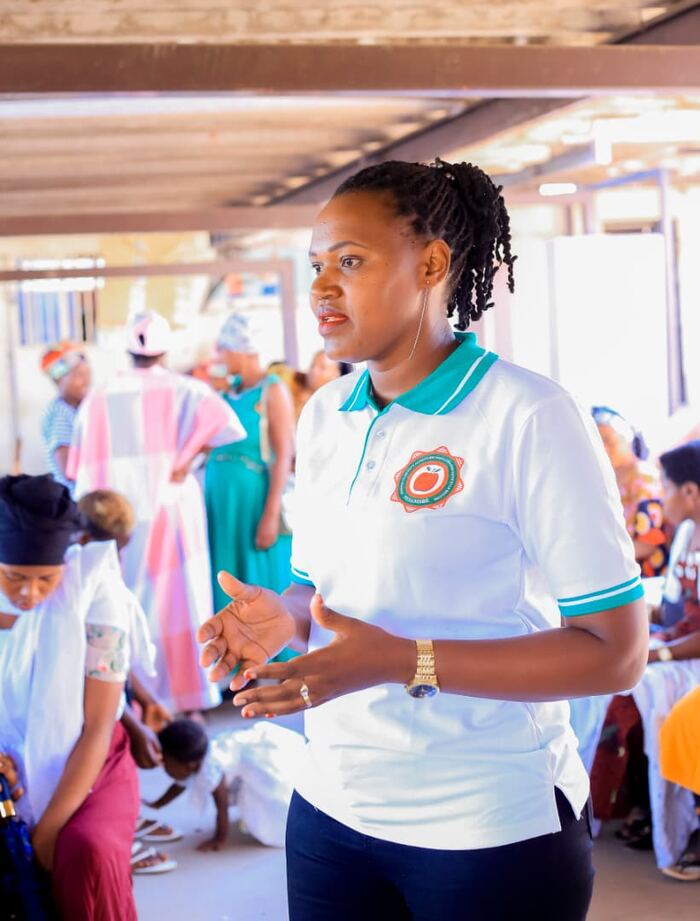
2. Nutrition education session. A participatory talk with picture cards covered nutrition during pregnancy and breastfeeding, dietary diversity, the value of local foods, the role of micronutrients (iron, vitamin A, iodine), hydration, food hygiene, and exclusive breastfeeding up to six months and its continuation up to two years with adequate complementary feeding.
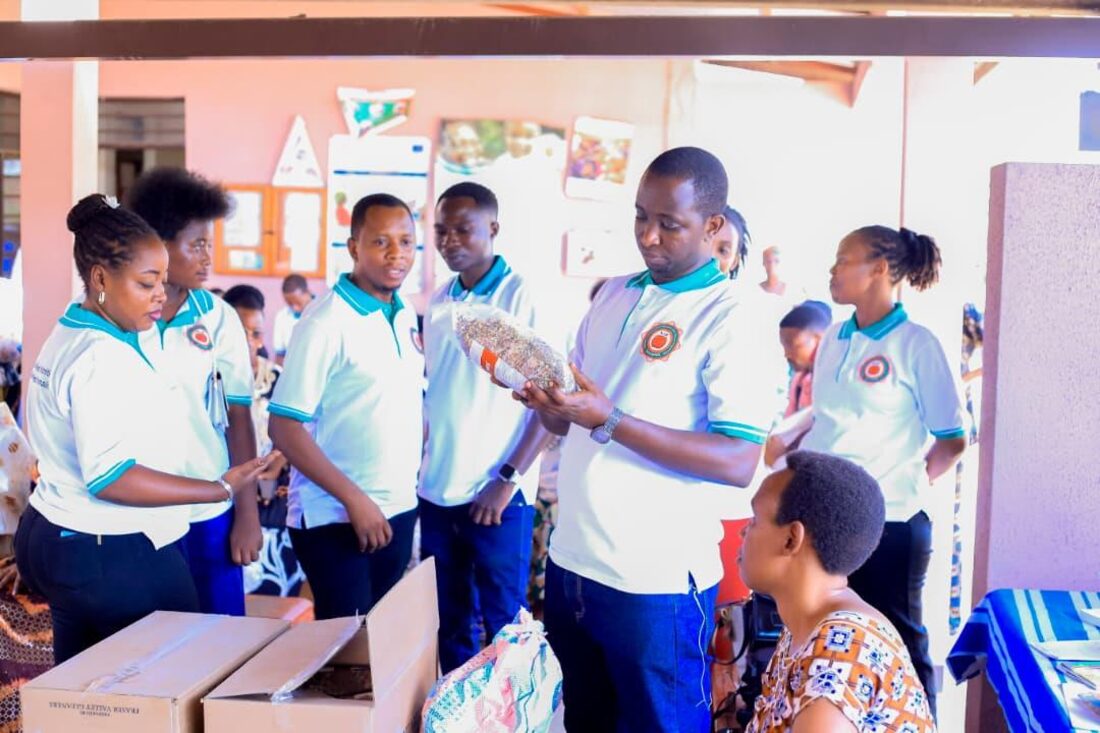
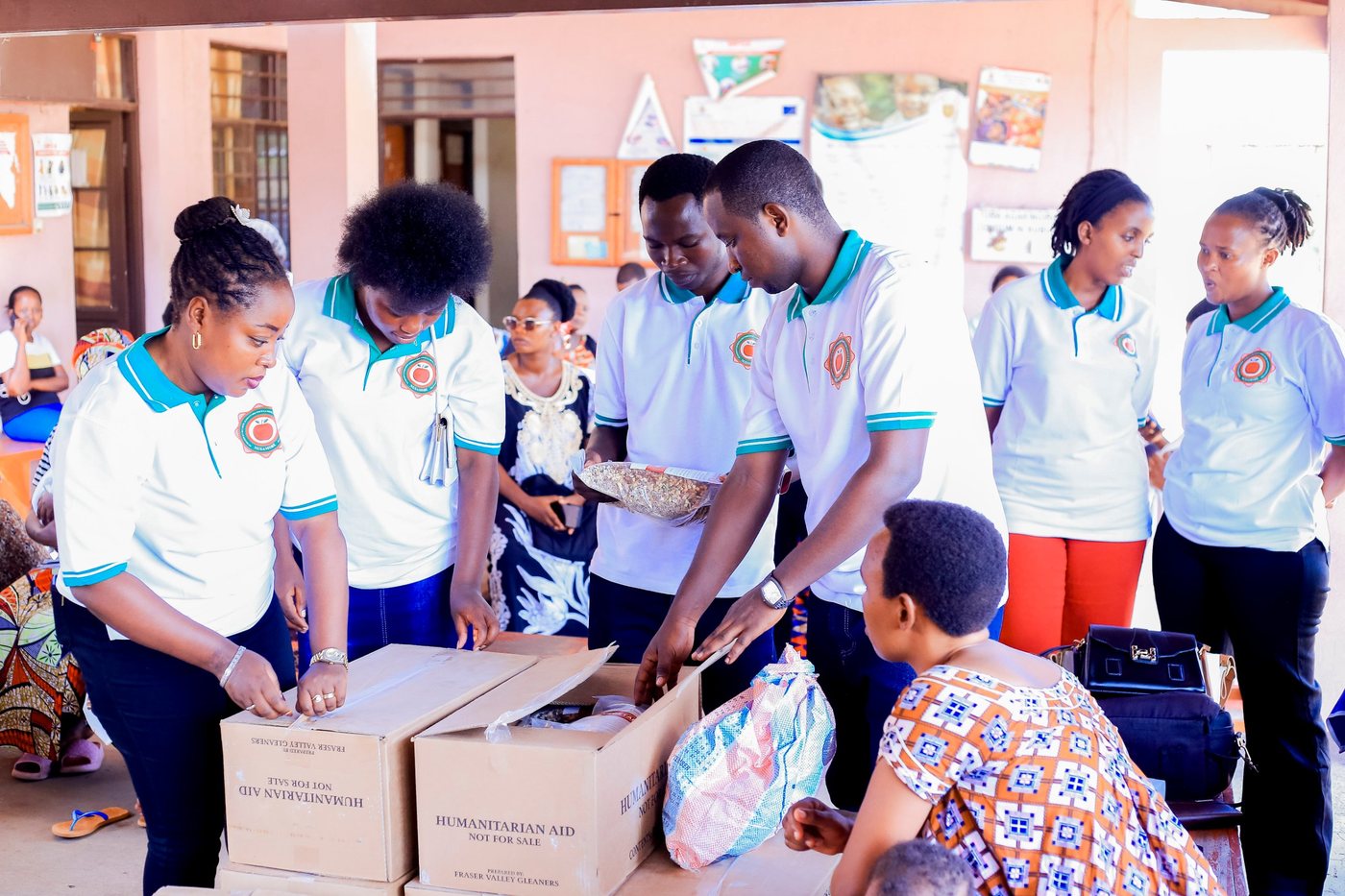
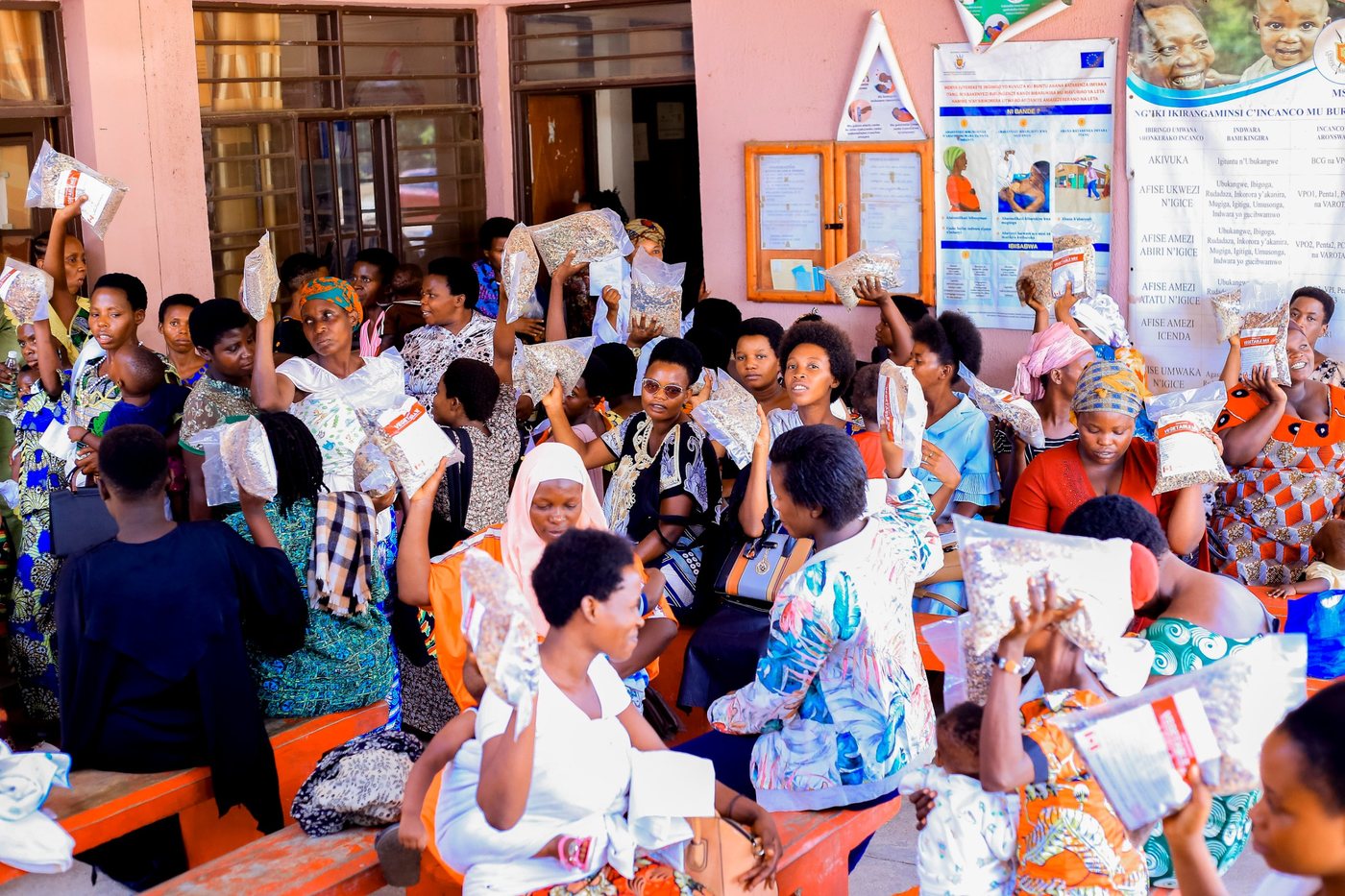
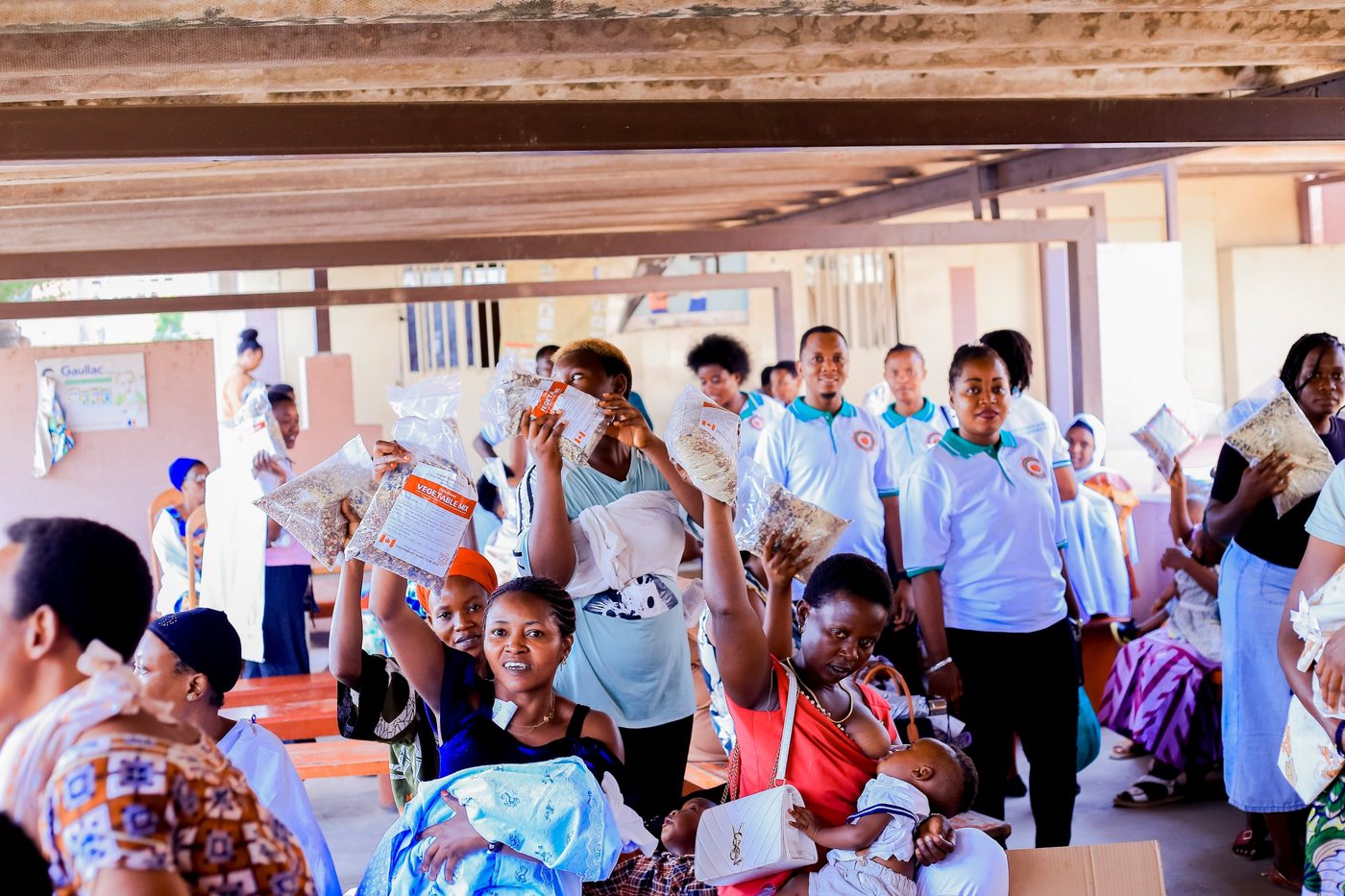
3. Practical demonstration and distribution. One hundred and twenty (120) mothers were trained in the correct use of a nutritional mix made from 19 dehydrated vegetables — a humanitarian donation not for sale, produced by Fraser Valley Gleaners (British Columbia, Canada). The preparation method was explained in line with the product label and its integration into a varied diet (cereals, pulses, local foods). Each beneficiary received her kit with an individual explanation of quantities according to household size and a reminder of hygiene guidelines.
4. Post-intervention evaluation. Knowledge was measured immediately after the session with a short questionnaire compared with the pre-test. A follow-up by phone or at the next consultation is planned to document actual use of the product and practices adopted.
Results in figures
Team involved
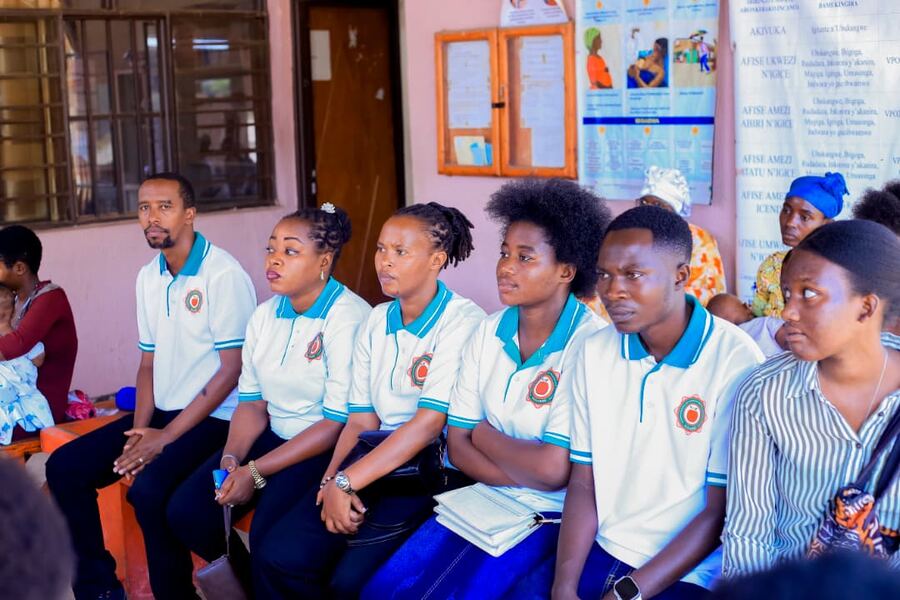
The activity involved a multidisciplinary NUSAMSBE team, working closely with the staff of CHUK King Khaled Hospital, to ensure reception, facilitation, demonstration and distribution under good conditions.
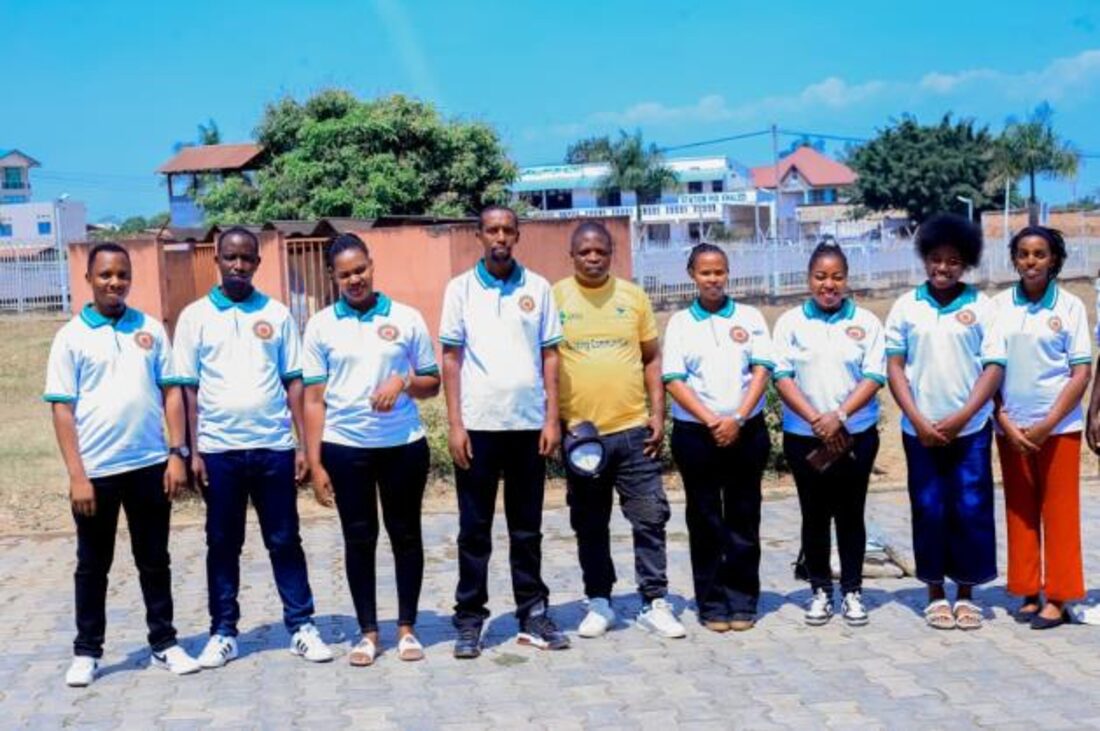
The NUSAMSBE team at CHUK King Khaled Hospital.
NUSAMSBE warmly thanks the management of CHUK Roi Khaled Hospital for its welcome and valuable collaboration, as well as the whole team mobilised in the field and the mothers for their commitment.