
Awareness week on Essential Nutrition Practices (ENP)
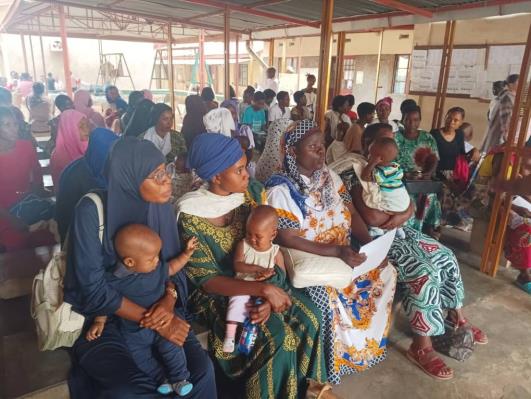
Pregnant and breastfeeding women attending the awareness session, Buyenzi Community Medicine Centre.
As part of its mission to sustainably improve the health and well-being of vulnerable communities, NUSAMSBE organised, from 14 to 19 July 2025, a community awareness week on Essential Nutrition Actions (PEN), in two complementary phases: at the Cibitoke Health Centre (14–16 July), then at the Buyenzi Community Medicine Centre in the City of Bujumbura (17–19 July).
Context
Burundi still faces a worrying nutritional situation: nearly 55% of children are stunted, one of the highest rates in the world, acute malnutrition affects about 5 to 6% of children aged 6 to 59 months and anaemia affects more than 60% of children in the same age group. Although the exclusive breastfeeding rate is relatively encouraging, complementary feeding after six months remains insufficient in diversity and nutritional quality, in a context of poverty, chronic food insecurity, recurrent infectious diseases and limited access to clean water and sanitation.
Objectives
- Raise awareness among pregnant and breastfeeding women of the importance of a balanced and varied diet and of exclusive breastfeeding during the first six months;
- Promote good nutrition practices during the first 1,000 days of life;
- Strengthen the capacities of community leaders and health workers in the prevention, screening and early management of malnutrition;
- Encourage community engagement and the lasting adoption of positive nutrition behaviours.
Approach and implementation
The activity was based on a participatory and interactive approach: presentations, practical demonstrations (breastfeeding positions, preparation of balanced meals), workshops, case studies, exchanges of experience and testimonies. Sessions were held every day from 9:00 to 15:00. Topics covered: balanced and varied diet based on local foods, exclusive breastfeeding, the first 1,000 days of life and community prevention of malnutrition.
Phase 1 — Cibitoke (14–16 July). Balanced and varied diet, exclusive breastfeeding and the first 1,000 days, alternating presentations, practical workshops and discussions.
Phase 2 — Buyenzi (17–19 July). Prevention of malnutrition, balanced diet with a cooking demonstration using local products, then breastfeeding, the first 1,000 days and nutritional monitoring of infants.
Participation and results
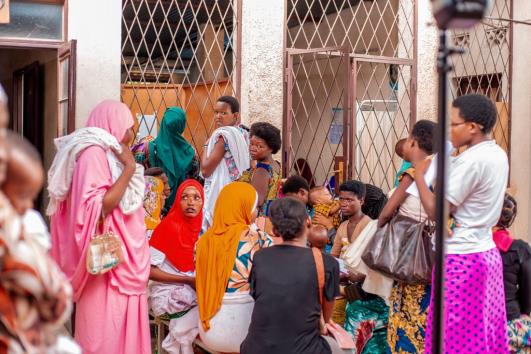
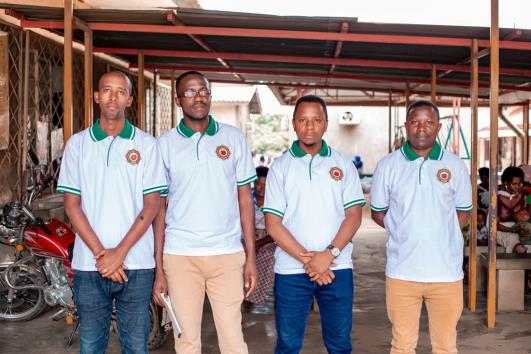
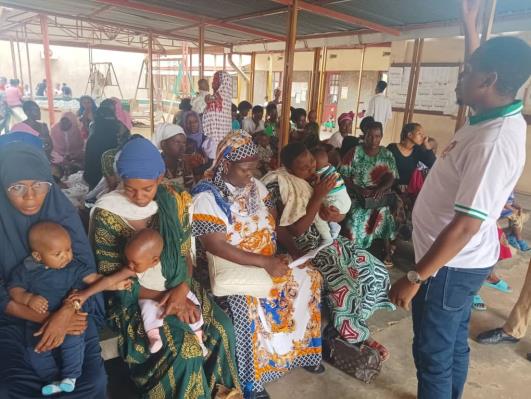
120 participants, including 80 pregnant and breastfeeding women, 25 community leaders and 15 health workers. Active participation, the quality of the discussions and the testimonies collected reflect a genuine interest in nutrition issues.
- Better knowledge of balanced diet, dietary diversification and exclusive breastfeeding;
- Better understanding of the importance of the first 1,000 days of life in preventing malnutrition;
- Stronger commitment of community leaders to relay nutrition messages;
- More participatory approach in discussions around nutrition.
Difficulties and lessons learned
The main difficulties were the limited availability of some participants throughout the sessions and logistical constraints (transport, teaching materials). A practical and participatory approach makes it easier for people to take ownership of the messages, the involvement of community leaders is essential for lasting action, and cooking demonstrations using local foods improve the acceptability of recommendations.
Outlook
- Hold regular follow-up and capacity-building sessions;
- Develop and distribute visual educational tools adapted to the local context;
- Extend the campaign to other provinces;
- Strengthen partnerships with health facilities and local authorities.