
Nutrition education and food and hygiene support at Kamenge District Health Hospital
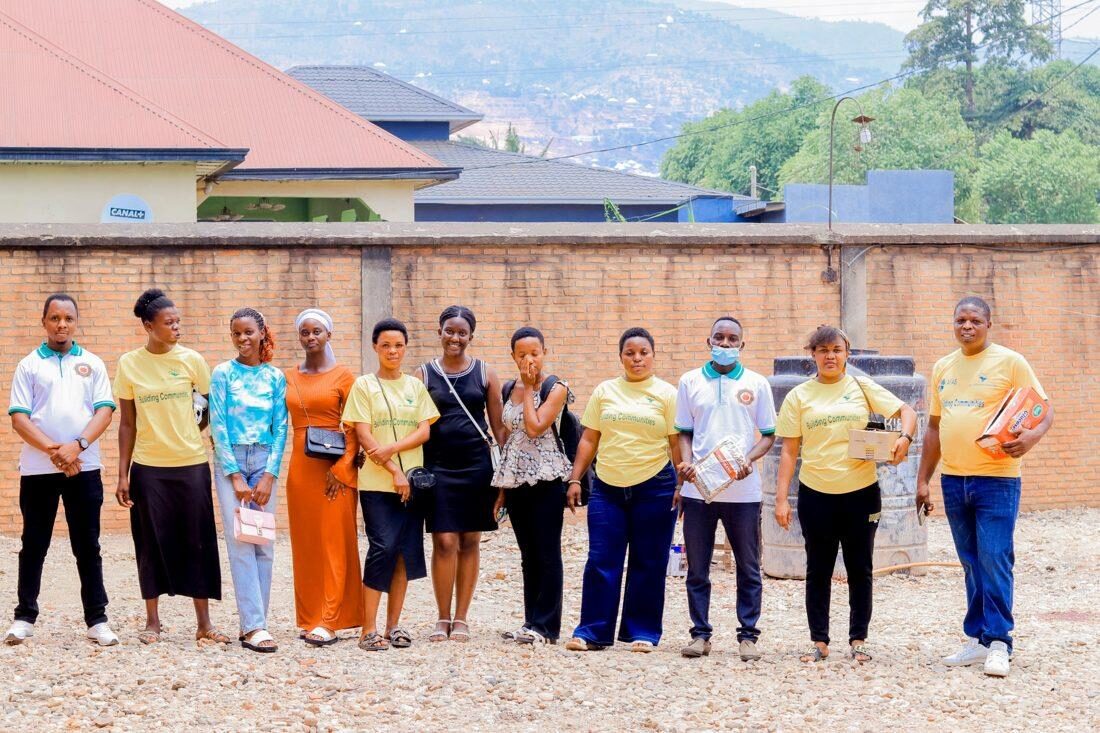
NUSAMSBE and STI teams at the end of the activity.
On 29 September 2026, NUSAMSBE and the association Santé Pour Tous Imboneza (STI), working together as a consortium, carried out a joint community activity at Kamenge District Health Hospital in Bujumbura. The action falls within the partnership agreement signed between the two organisations on 18 September 2026. It combined three complementary components: awareness-raising and nutrition education, a practical demonstration, and the distribution of food and hygiene support kits.
Context
The hospital welcomes a low-income urban and peri-urban population every day. Maternity ward patients and hospitalised patients often face insufficient or poorly diversified diets and limited access to basic hygiene products, while pregnancy, breastfeeding and illness greatly increase nutrient needs. Combining information with concrete support achieves an immediate effect while strengthening knowledge over the long term.
Objectives
- Raise awareness and educate beneficiaries about a healthy, varied diet suited to their situation;
- Demonstrate how to use the dehydrated-vegetable nutritional mix to enrich meals;
- Distribute food and hygiene support kits to maternity ward women and hospitalised adults;
- Strengthen collaboration between NUSAMSBE, STI and the hospital's care team.
How it went
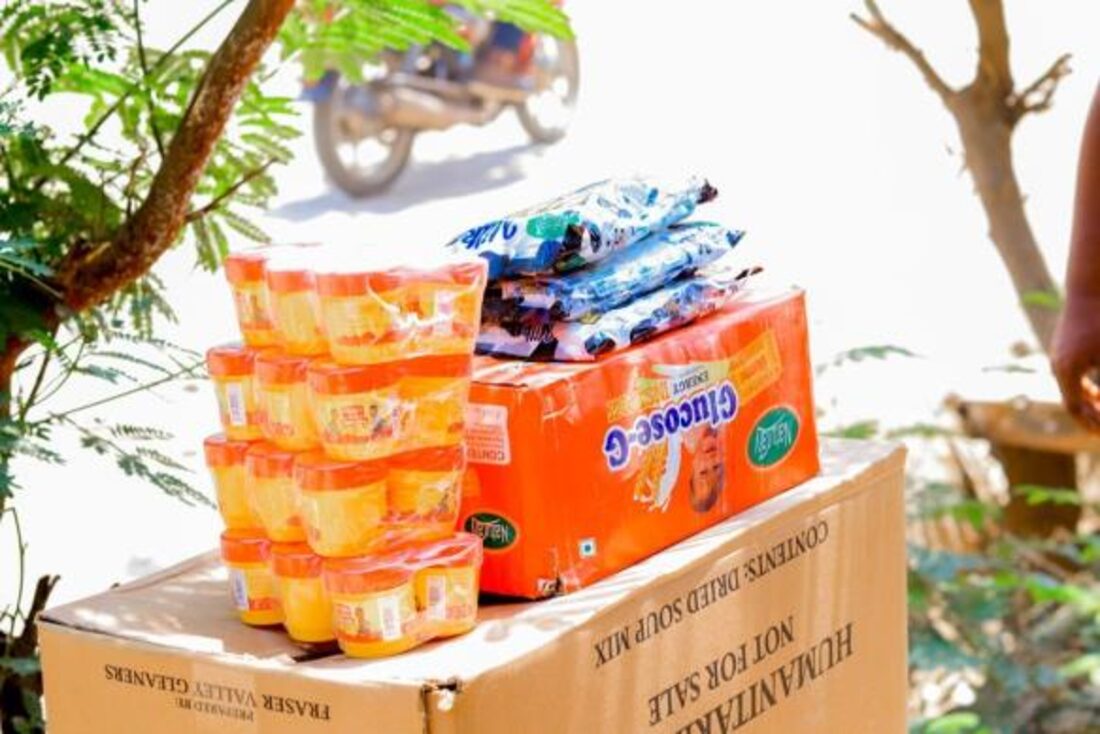
Preparation. The teams of both organisations prepared the kits (twelve cartons of nutritional mix prepared by Fraser Valley Gleaners, soaps, ointments and hygiene products) and organised their transport to the hospital.
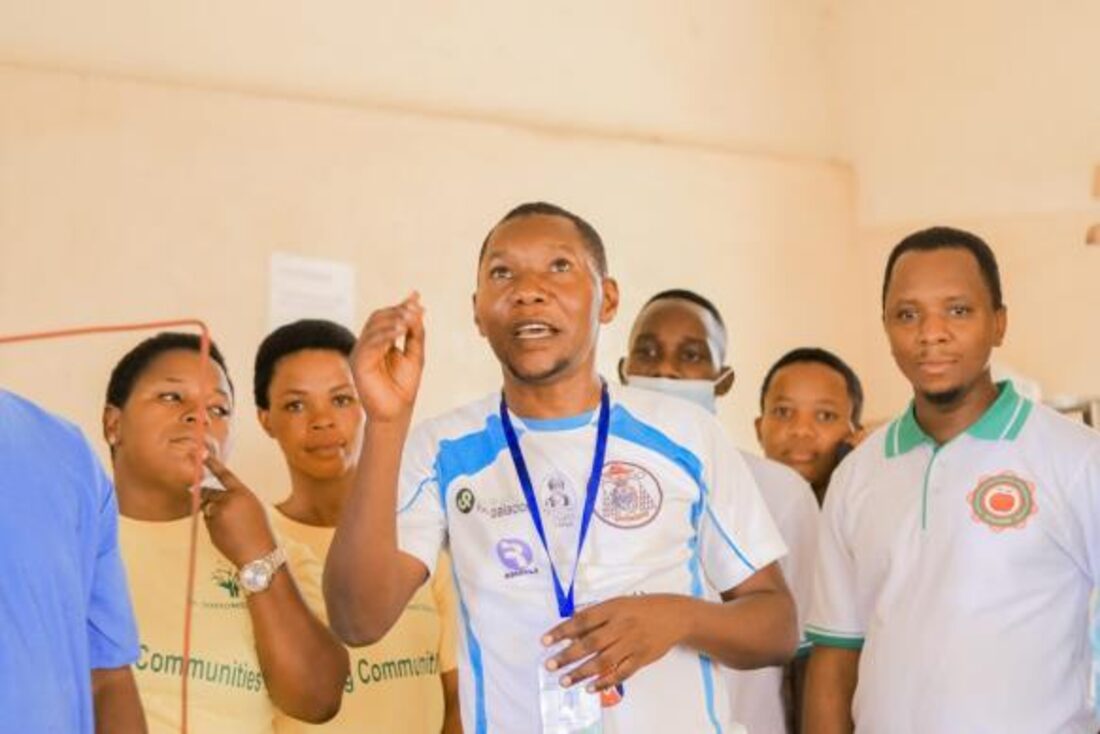
Session 1 — Awareness and nutrition education. An educational talk brought together beneficiaries, teams and hospital staff: balanced and varied diet, specific needs of pregnant and breastfeeding women, the role of vegetables and micronutrients, good hygiene practices to prevent disease, with time for discussion and questions.
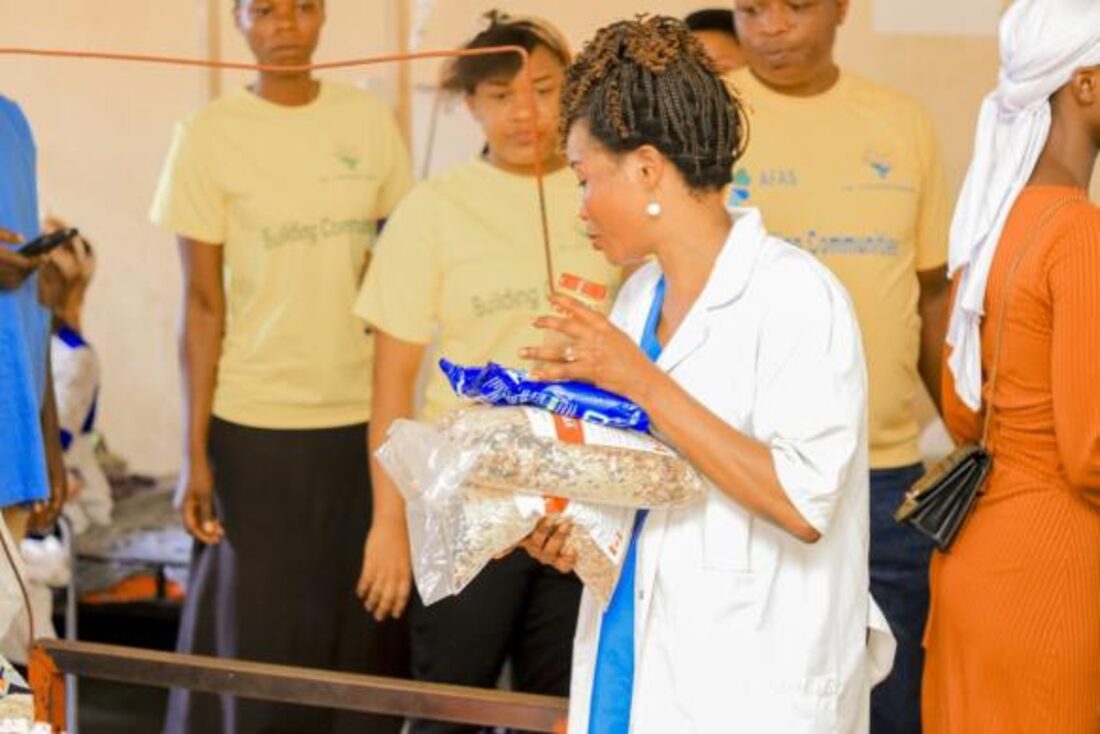
Session 2 — Practical demonstration. Sachets of the nutritional mix made from 19 dehydrated vegetables were presented to beneficiaries, staff and teams, with explanations on use in soups and everyday dishes, quantities, preparation and storage.
Session 3 — Kit distribution. The kits were handed out in the maternity ward and then in the hospital wards, calmly and with respect for the beneficiaries, with the support of the care team.
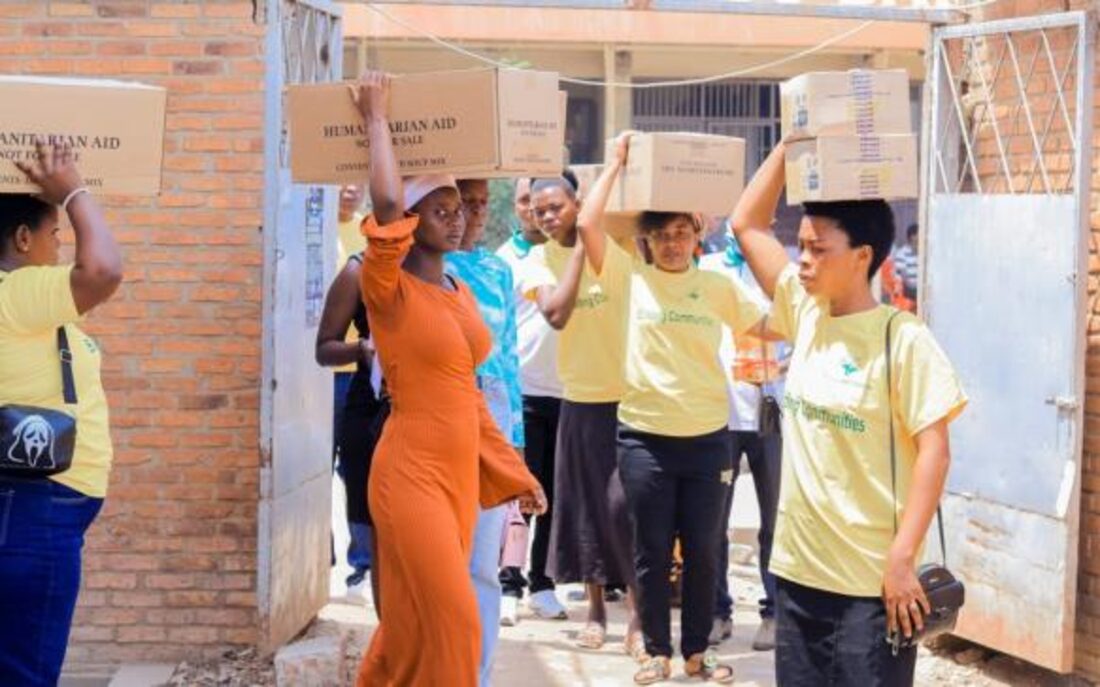
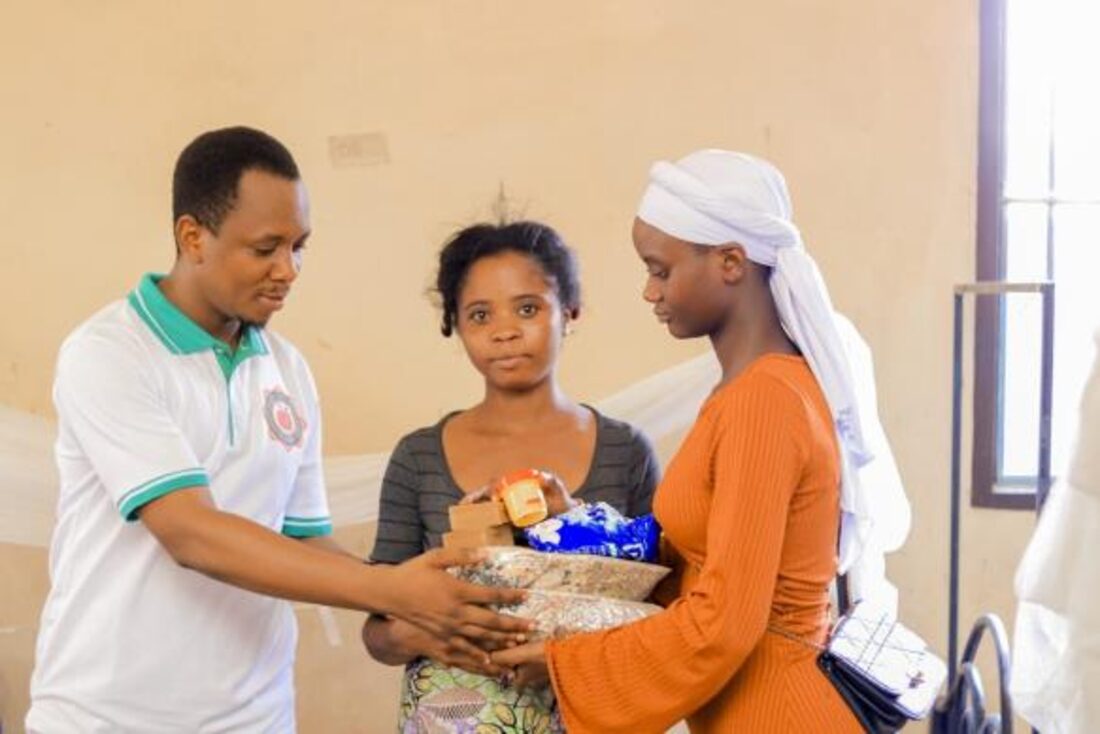
Kits distributed
| Item | Use | Quantity |
|---|---|---|
| Nutritional mix made from 19 dehydrated vegetables | Enrich meals with micronutrients | 144 sachets |
| Soaps | Body and clothing hygiene | 500 |
| Ointments | Skin care and body hygiene | 500 |
| Laundry detergent powder | Clothing hygiene | 103 |
Results
- 103 vulnerable people (93 women and 10 men), including 80 maternity ward women and 23 hospitalised adults, benefited from nutrition education and support kits;
- The three planned sessions (awareness, practical demonstration, distribution) were completed;
- Beneficiaries received practical information directly applicable to their diet and hygiene;
- Collaboration between NUSAMSBE, STI and Kamenge District Hospital was put into practice in the field.
Lessons learned and outlook
Combining education, demonstration and product donation strengthens beneficiaries' buy-in, and the involvement of care staff greatly facilitates the process. NUSAMSBE plans to repeat this type of activity regularly in health facilities in Kamenge and other communes of Bujumbura, to accompany distributions with nutritional follow-up with the hospital teams, to integrate the activity into the joint NUSAMSBE – STI maternal and child health and nutrition micro-project, and to mobilise more partners.
NUSAMSBE thanks Kamenge District Health Hospital and its staff, STI, the partners who made this action possible, and all the beneficiaries for their welcome.